
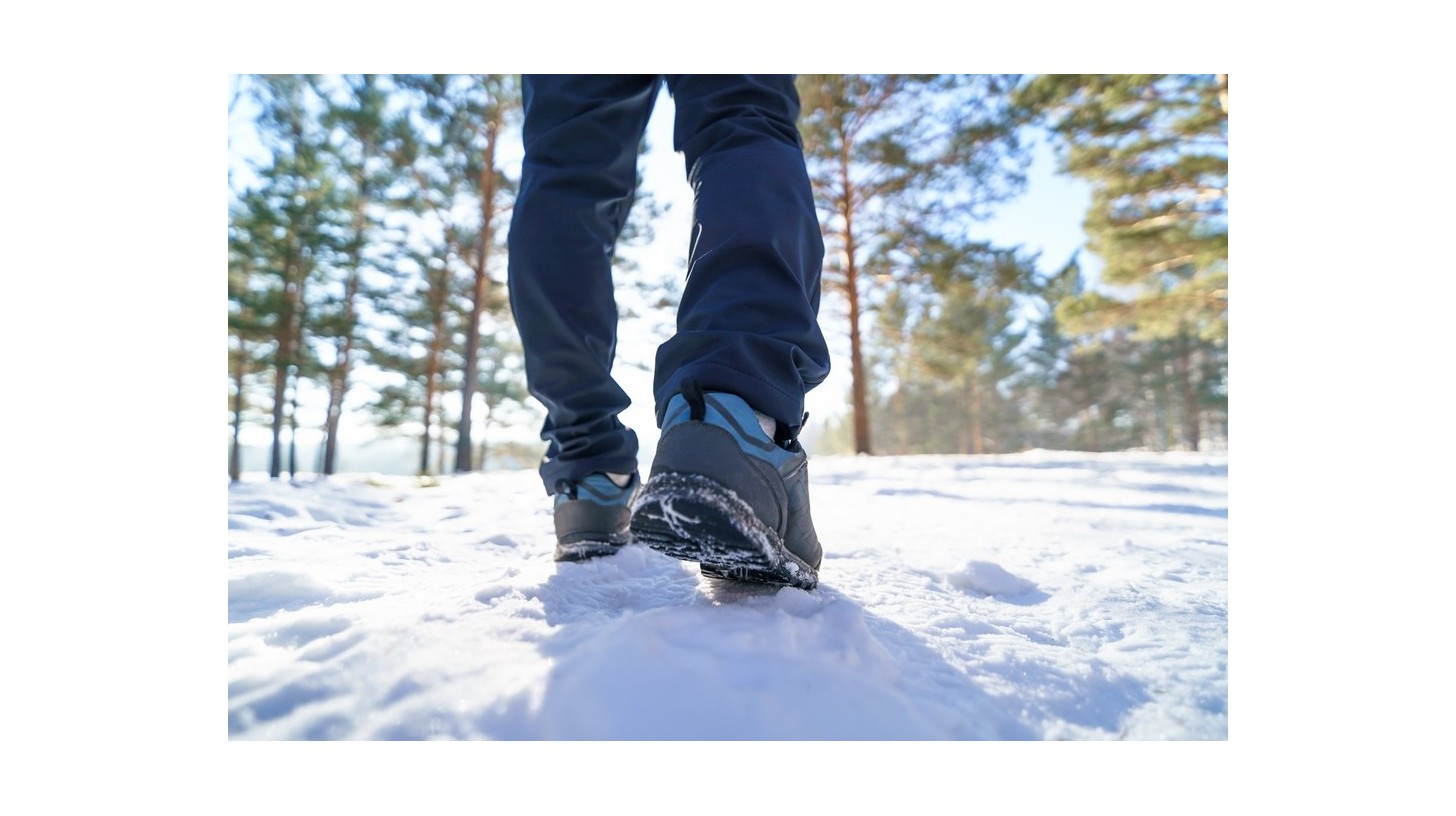
How to Protect Your Shoes from Salt and Snow in Winter
The Canadian winter puts our shoes to the test. The mix of snow, ice, and de-icing salt, while essential for road and sidewalk safety, can cause irreversible damage to materials, especially leather. White stains, cracking, loss of suppleness: these effects are common if the right precautions are not taken. Fortunately, a few simple steps are enough to effectively protect your shoes from salt and snow throughout the cold season. This guide offers practical tips to care for your winter boots and shoes and preserve their appearance and durability.
Key Points Summary
Why Is Salt So Damaging for Shoes?
The salt used to melt snow contains corrosive agents that seep into materials. On leather, it causes white rings and dries the surface, leading to cracking over time. On suede and nubuck, it leaves stains that are hard to remove and alters the velvety texture.
Beyond aesthetics, salt weakens stitching and soles. When it seeps into the lining, it traps moisture and creates conditions that lead to deformation. This is why it is essential to act before salt penetrates deeply into the material. Preventive protection is always more effective than curative cleaning.
Waterproof Before the First Outing
Waterproofing is the first barrier against salt and snow. It prevents water and saline particles from penetrating the material while preserving breathability.
Choose the Right Product for the Shoe Type
- Smooth leather shoes: choose a waterproofing product specifically designed for leather. These create an invisible protective film without dulling the shine.
- Suede or nubuck shoes: opt for a water-based protective spray formulated for delicate materials. It protects the surface without changing the texture.
- Fabric or synthetic shoes: a universal product is sufficient if you respect the spraying distance (20 to 30 cm) to avoid marks.
Application and Frequency
Always apply to clean, dry shoes. Let dry at room temperature, then repeat after a few hours. In winter, renew waterproofing every two to three weeks, especially after prolonged contact with snow or salt.
Clean Your Shoes After Each Outing
Regular care prevents salt deposits from setting in and permanently staining the surface. Cleaning after each use is a simple habit that preserves the appearance and structure of the shoe.
Remove Salt and Dirt Residues
Use a soft brush to remove dried snow, dust, and salt marks. For leather shoes, a slightly damp cloth is enough to clean the surface. Do not rub too hard to avoid damaging the finish.
For stubborn stains, prepare a solution of warm water and white vinegar (one part vinegar to two parts water). Apply with a clean cloth, then wipe with a dry cloth. This natural mix neutralizes salt effectively without harming the material.
Drying and Care
Always let shoes air dry, away from direct heat sources like radiators or dryers. Excessive heat dries leather and causes cracks. Insert shoe trees or newspaper inside to maintain shape and absorb moisture.
Condition and Hydrate Leather
Leather is a living material that loses elasticity when exposed to cold, snow, and salt. Regular hydration helps keep it supple and shiny.
Recommended Conditioning Products
Use a cream or nourishing milk designed for natural leather. These restore essential oils while forming a protective layer against the elements. Apply a thin layer with a soft cloth, let it penetrate for a few minutes, then buff with a clean brush.
For suede and nubuck, avoid creams. Choose a renovating spray that nourishes and restores colour without staining.
Care Frequency
In winter, condition leather once a week to offset the drying effect of salt and cold. This simple step extends shoe life while maintaining comfort.
Maintain Shoe Shape and Structure
Once clean and dry, store shoes properly to avoid deformation and moisture build-up.
Use Shoe Trees
Cedar wood shoe trees are ideal for maintaining shape. They also absorb moisture, neutralize odours, and prevent leather from shrinking as it dries. If you do not have them, clean newspaper can be used temporarily.
Rotate Pairs
Avoid wearing the same shoes several days in a row. Letting a pair rest for 24 hours allows complete drying and prevents moisture-related damage. Alternating pairs improves longevity, especially during the coldest months.
Avoid Bad Drying Practices
In winter it is tempting to place shoes near a heat source to dry quickly, but this is harmful. Direct heat hardens materials, weakens sole adhesive, and dulls the finish.
Natural, Gradual Drying
Let shoes dry naturally in a well-ventilated room at room temperature. Remove the insole if possible to speed drying. If the interior is soaked, change the absorbent paper every few hours.
Prevent Odours and Mould
Make sure shoes are completely dry before storing. Residual moisture promotes bad odours and mould growth. Proper storage extends both shoe life and long-term comfort.
Summary Table: Winter Shoe Care
Useful Accessories for Winter Protection
Gaiters and Overshoes
For stormy days or snowy sidewalks, waterproof gaiters and overshoes are excellent allies. They cover the lower pant leg and the boot shaft, preventing snow from entering and reducing direct contact with salt.
Complementary Care Products
- Cleaning wipes: ideal for quick on-the-go cleaning.
- Soft-bristle brushes: essential for suede and nubuck.
- Neutral or colourless creams: useful for restoring shine without altering the original shade.
Combined with a regular care routine, these accessories ensure optimal protection throughout the season.
When to Seek Professional Care
Even with regular maintenance, some stains or cracks require a specialist. Shoe cleaning and restoration workshops have products and techniques to remove embedded salt, revive colours, and restore leather suppleness.
Professional care at the start and end of the season is a good habit. It allows deep cleaning, durable waterproofing, and a general inspection of soles and stitching.
Prepare Your Shoes for the End of the Season
When the snow starts to melt, it is essential to clean and store your shoes properly before putting them away.
- Clean thoroughly to remove all salt residue.
- Condition the leather to nourish it before the rest period.
- Store in a dry place away from direct light.
- Use shoe trees to keep their shape.
These precautions ensure your shoes are ready to wear as soon as the next cold season returns.
Conclusion
Protecting shoes from salt and snow in winter does not require much time or effort, but it does require consistency. Preventive care, including waterproofing, regular cleaning, and conditioning, is the key to preserving the beauty and durability of your boots and shoes.
Advisors at Chaussures Le Pacha recommend viewing care as a natural extension of wearing shoes. Simple steps done at the right time ensure not only an impeccable look but also lasting comfort and protection against the rigours of winter.
Frequently Asked Questions
How often should you waterproof shoes in winter?
Every two to three weeks, depending on conditions. After each exposure to snow or salt, it is best to renew protection.
How do you remove a stubborn salt stain?
Mix white vinegar and water (1:2), apply with a soft cloth, then wipe with a dry cloth.
Can the same product be used on leather and suede?
No. Leather products contain nourishing agents that can stain suede. Always use a product specific to the material.
Should you dry shoes near a heat source?
Never. Direct heat dries and deforms leather. Choose room-temperature drying with shoe trees.
What is the best way to store boots after winter?
In a dry, airy place with shoe trees, after cleaning and conditioning the leather.