
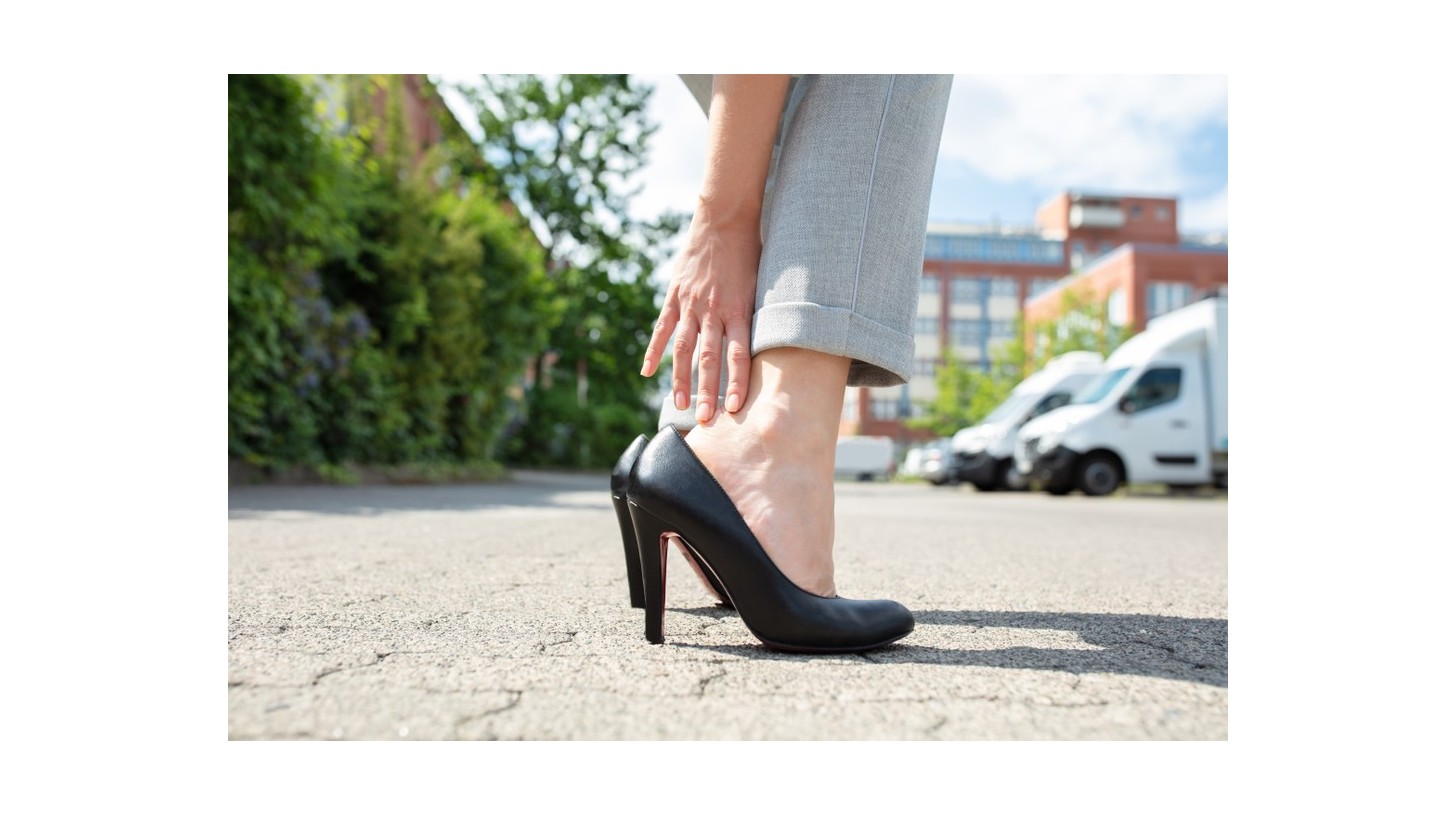
Tips to Prevent Blisters on Your Feet and Protect Your Shoes
Blisters on the feet are among the most common discomforts, whether you are a hiker, a city walker, or simply breaking in a new pair of shoes. They form as a result of repeated friction between the skin and the shoe, often worsened by humidity and heat. In addition to being painful, they can make wearing shoes uncomfortable or even impossible. This article provides practical tips to effectively prevent their appearance, improve walking comfort, and extend the lifespan of your shoes.
Key Points Summary
What Is a Blister and Why Does It Form?
A blister is a small pocket filled with clear fluid that forms between the upper layers of skin due to repeated friction. This is a natural defense mechanism designed to protect underlying tissues. However, if friction continues, the skin thins, bursts, and leaves a painful sore.
The most common causes include shoes that are too tight or too loose, unsuitable socks, excessive sweating, and prolonged walking without rest. Understanding these causes is the first step in adopting proper prevention habits.
The Importance of Properly Fitted Shoes
Choosing the right shoes is crucial to prevent blisters. Shoes that are too tight exert constant pressure on certain areas of the foot, while those that are too loose let the foot slide inside, increasing friction.
How to Check Proper Fit
When trying on shoes, there should be a small space in front of the toes (about half a centimetre) to prevent them from hitting the front. The heel should stay in place without excessive vertical movement. The shoe should also respect the natural shape of the foot, especially around the arch and width.
Adapting the Choice to the Activity
Walking, work, or sports shoes must provide adequate support for the activity. A rigid hiking boot will not have the same comfort as a flexible running shoe. Choosing the right type of shoe for each use greatly reduces friction and blister risk.
The Essential Role of Socks
Often underestimated, socks are the first barrier against friction. Their composition, thickness, and fit directly affect foot comfort.
Choosing the Right Socks
Seamless socks are ideal because they remove pressure points on toes or heels. Synthetic fibres like polyester or polypropylene help wick away sweat, unlike cotton, which retains moisture. A damp foot softens the skin and increases injury risk.
Doubling Socks for Long Walks
During long hikes, wearing two pairs of socks can be effective. The inner pair, thin and breathable, reduces direct friction on the skin, while the outer pair absorbs moisture and cushions impact. This system creates a protective layer between the foot and the shoe.
The Influence of Heat and Humidity
Excessive heat and perspiration are major contributors to blister formation. High temperatures soften the skin, making it more vulnerable to friction. Humidity reduces the skin’s natural resistance.
Managing Perspiration
To keep feet dry, air out shoes after each use, change socks daily, and use absorbent powders if needed. Breathable insoles, often found in quality models, also improve internal ventilation.
Preventing Risk Conditions
Avoid wearing the same shoes several days in a row so they can dry completely. Rotating pairs improves hygiene and maintains comfort.
How to Break In New Shoes Properly
Even well-fitted new shoes require a break-in period. Materials, often still stiff, can create friction on heels or sides of the foot.
Gradual Wearing
Start by wearing them for a few hours at home before longer use. This allows the leather or fabric to soften and the foot to adapt. You can also apply a nourishing cream on stiff leather areas to improve flexibility.
Identifying Risk Areas
Before long outings, identify pressure points and apply preventive protection (bandage or anti-friction cream). This simple step often prevents a blister from forming during the first wear.
Insoles and Protective Accessories
Comfort or support insoles play an important role in blister prevention, especially for prolonged activities. They better distribute body pressure across the foot and limit internal micro-movements that cause friction.
Choosing the Right Insoles
Some insoles, made from breathable and cushioning materials, can reduce blister occurrence by up to 25 percent. The choice depends on activity type and foot shape. Insoles that absorb moisture or provide extra heel support are particularly effective.
Complementary Accessories
Gel pads, cushions, or friction strips can help protect sensitive areas. They add a thin barrier between the skin and shoe without affecting comfort.
What to Do If a Blister Forms
Despite all precautions, a blister may still appear. The main rule is not to pop it unless it causes significant discomfort. The skin covering the blister acts as a natural barrier against infection.
Treating the Sore
If the blister has already burst, gently clean the area with warm water and mild soap, then apply a protective bandage. Hydrocolloid bandages, designed to maintain a moist environment, promote faster healing while isolating the wound from friction.
Preventing Infection
Watch for signs of irritation, redness, or persistent pain. If the wound does not heal within a few days or worsens, consult a healthcare professional, especially for people with diabetes, whose skin heals more slowly.
Special Cases: People at Higher Risk
Some people are more prone to blisters, especially those with hyperhidrosis (excessive sweating), foot deformities, or diabetes.
Sensitive or Sweaty Feet
In these cases, it is better to use sweat-regulating products like absorbent powders or foot creams. These products help keep the inside of the shoe dry and reduce friction.
People with Diabetes
For those with diabetes, even a small blister can become serious if not treated quickly. It is essential to check feet daily and wear comfortable, well-fitted shoes without irritating internal seams.
Comparison Table: Prevention by Activity Type
Caring for Your Shoes to Prevent Blisters
Well-maintained shoes protect feet better. Cleaning the interior regularly removes salt, dust, and moisture that damage the lining. Letting shoes air out between uses and storing them in a dry place helps maintain material flexibility. At Chaussures Le Pacha, advisors remind us that proper care not only extends shoe life but also ensures daily comfort.
Conclusion
Preventing blisters relies on simple steps: choosing well-fitted shoes, wearing proper socks, controlling humidity, and maintaining your gear. Combined with early attention to irritation signs, these habits ensure comfort and well-being with every step.
Experts at Chaussures Le Pacha recommend adopting a complete care routine including shoes, insoles, and socks to provide long-lasting protection. Well-protected feet mean shoes that stay comfortable longer.
Frequently Asked Questions
Should you pop a blister?
No. Let it heal naturally to avoid infection. If it bursts on its own, disinfect the area and apply a protective bandage.
Can blisters be prevented with special creams?
Yes. Anti-friction creams form a protective film on the skin and work well for long walks or sports.
Are cotton socks recommended?
No. They retain moisture and increase friction. Choose breathable synthetic fibres instead.
What is the best way to dry shoes after walking?
Remove the insole and let them dry at room temperature. Avoid direct heat, which stiffens materials.
When should you consult a professional?
If a blister becomes red, swollen, painful, or leaks. Diabetic individuals should be especially cautious.