
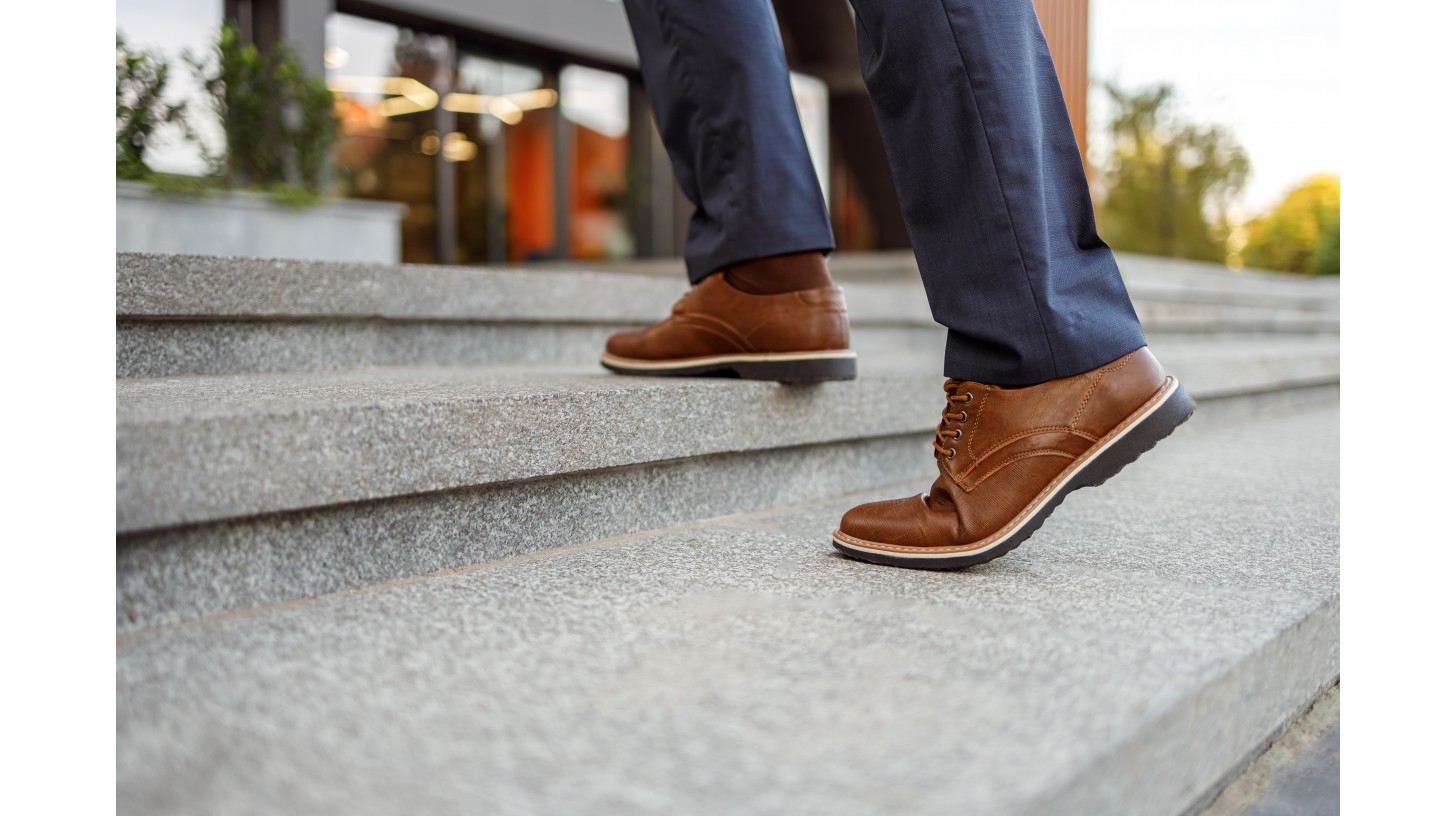
How to Soften Your Leather Shoes: Safe Methods to Improve Comfort Without Damaging the Material
New leather shoes can sometimes feel stiff, especially during the first few wears. This sensation is normal, as leather fibres take some time to soften and adapt to the shape of the foot. Fortunately, several simple, effective, and safe techniques make it possible to soften tight or uncomfortable areas without damaging the structure of the material. This guide presents the steps to follow, useful tools, and proven methods to make your shoes more comfortable while preserving their quality over time.
Why New Leather Can Feel Stiff
Leather is a natural material made up of interwoven fibres. When a shoe is new, these fibres are still very compact and have not yet taken the shape of the foot. Over time, walking and the heat produced by the body help them relax and become more flexible. The goal of the techniques presented here is simply to speed up this natural process, without forcing or stressing the leather.
Gradual softening preserves the longevity of the shoe, prevents premature creasing, and significantly improves comfort during the first weeks of use.
Preparing Shoes Before Softening
Before any intervention, it is essential to properly prepare the leather surface. Dusting or light cleaning helps prevent residue from interfering with heat, moisture, or applied products. This preparation also contributes to better absorption of softening agents.
Remove the laces to access stiff areas and make handling easier. Wipe the entire shoe with a dry, soft cloth. If necessary, very light cleaning with a damp cloth can be done, but without soaking the leather.
Main Techniques for Softening Leather Gently
There are three methods considered safe for gradually relaxing leather shoes: steam, gentle heat, and liquid or gaseous agents specifically designed for this type of material. Each works differently and can be chosen based on the stiffness of the leather or the area to be treated.
1. Softening Leather Using Steam
Warm steam is one of the gentlest methods for relaxing leather fibres. It slightly softens the material without drying it out.
To apply this technique, place a pot of hot water in front of you, about ten centimetres from the shoe. Expose only the stiff areas to the steam for a few minutes. The moist heat then acts on the fibres, making softening easier. During the process, you can use a wooden utensil to gently widen the area concerned, always with care.
This method is particularly suitable for ankle boots or shoes made of thick leather, which tend to retain their stiffness longer. Steam helps reduce this effect without changing the structure of the shoe.
2. Using Gentle Heat to Relax Leather
If steam is not sufficient, gentle heat applied with a hair dryer can complement the process. Heat must be used in moderation to avoid drying out or discolouring the leather.
Wear your shoes with thick socks. This protects your feet while slightly expanding the interior space. Aim the hair dryer at the stiff area for only a few seconds, then walk for a short time to allow the leather to adapt to the shape of the foot.
This technique is effective for targeted adjustments, especially on the sides, the instep, or the heel area. The key is to maintain some distance and avoid exposing the leather to heat for too long.
3. Applying Liquid or Gaseous Softening Agents
Softening products specifically designed for leather are very practical. They are available in liquid form, as sprays, or as aerosols for finer diffusion. Their composition allows them to penetrate the fibres and make them more flexible.
Spray the product onto the area to be treated, then wear the shoes for at least one hour. The leather gradually relaxes under the combined effect of the product and the natural warmth of the foot.
Some users also appreciate light maintenance oils, which work over time and add softness and shine to the leather. They must be applied sparingly to avoid darkening the material.
Comparison Table of Main Agents
Complete Steps for Successfully Softening Leather
Although each technique has its specifics, leather softening generally follows a simple three-step process: prepare, soften, and finish. Applying these steps in order maximizes results.
This gradual process limits the risk of deformation or overheating of the material. It also helps achieve long-lasting softening that respects the natural structure of the leather.
Products and Accessories Useful for Effective Softening
To soften leather safely, only a few tools are required. They help properly prepare the shoe, apply products evenly, and protect sensitive areas.
Essential Products
The following products are generally recommended to soften, maintain, and protect leather:
- A softening spray suitable for smooth leather or nubuck.
- A nourishing cream, ideal for maintaining leather elasticity.
- A soft horsehair brush or microfibre cloth.
- A soft cloth for wiping and polishing.
These items are among the accessories that Chaussures Le Pacha offers for shoe care, helping extend shoe lifespan while preserving material quality.
Summary Table of Their Use
Safety Tips When Softening Leather
Applying products or heat to leather requires a few basic precautions. They are easy to follow and ensure healthy, long-lasting care.
Test on a Discreet Area
Before applying a product to the entire shoe, test it on a hidden area, such as the inside of the heel counter. This helps ensure the leather does not change colour or texture.
Use Sprays in a Ventilated Space
Softening sprays or aerosols should be applied at a safe distance and in a well-ventilated area. This ensures even distribution without product buildup.
Store Shoes Properly
After softening, allow shoes to rest in a dry, ventilated place. Avoid direct heat sources, which could cause freshly softened leather to become rigid again.
Table of Main Precautions
If a shoe undergoes unusually significant deformation, or if an area remains very stiff, professional advice may be helpful, particularly with thick or difficult-to-work leathers.
Conclusion
Softening leather shoes is a simple process when done methodically. By combining careful preparation, moderate application of heat or steam, and the use of a suitable product, it is possible to achieve lasting comfort without compromising leather quality. These techniques allow the leather to naturally adapt to the shape of the foot while maintaining its elasticity over time. To support this type of care, Chaussures Le Pacha provides a selection of accessories and treatments suitable for leather shoes, along with a customer service team ready to offer guidance based on specific needs.