
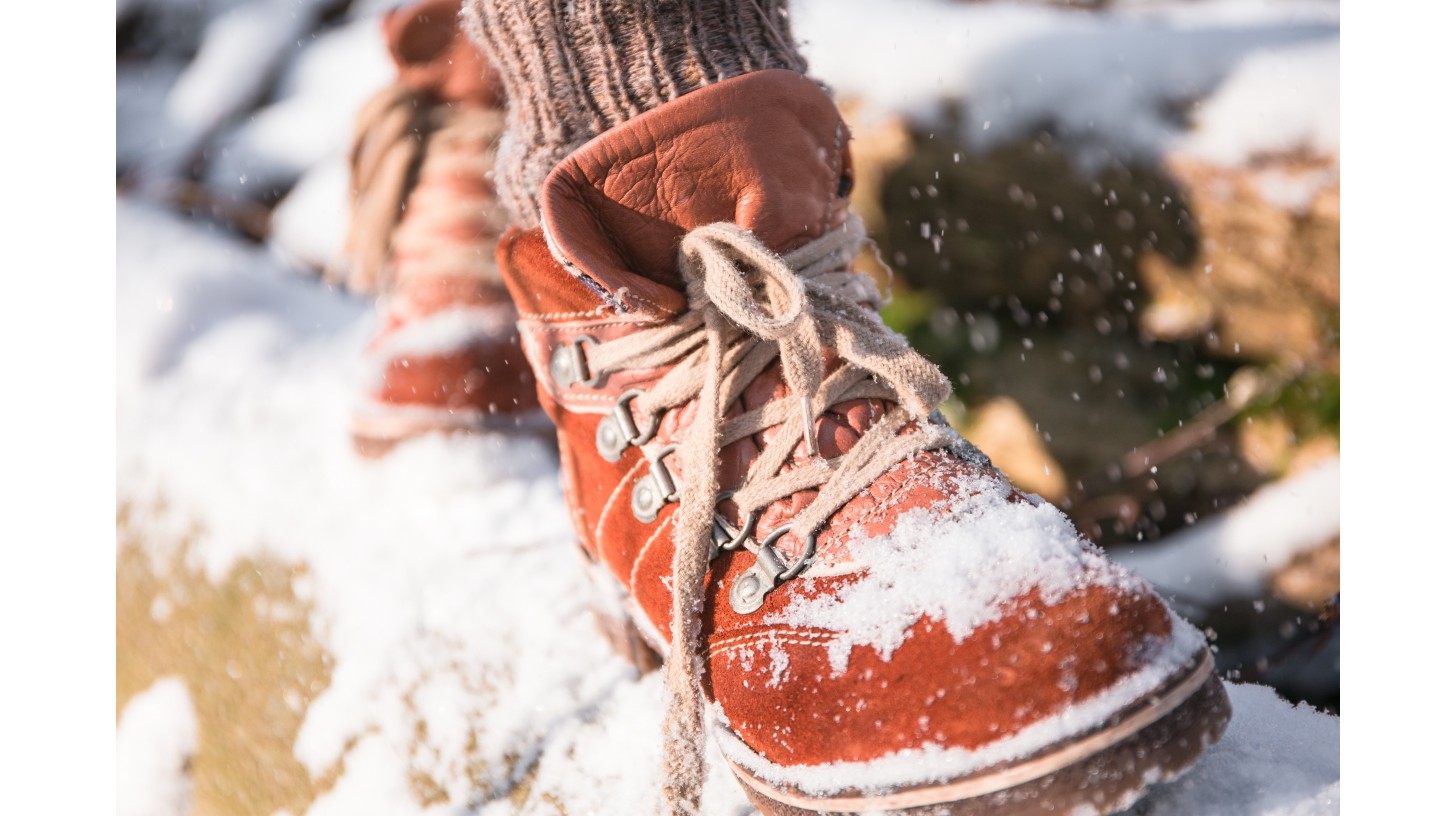
How to Choose Winter Boots Suited to Your Needs and the Canadian Climate
The Canadian climate places high demands on winter boots. Between intense cold, heavy snowfall, persistent moisture and de-icing salt, boots are exposed to harsh conditions throughout the season. A poor choice can quickly lead to discomfort, premature wear or insufficient protection.
This guide aims to help you understand the essential criteria to consider when choosing winter boots that are truly suited to your needs, your daily life and the realities of the Canadian climate. A thoughtful approach makes it possible to combine protection, comfort and durability, without unnecessary compromise.
Key Points Summary
Understanding the Realities of the Canadian Climate
Before examining the technical features of a boot, it is essential to consider the environment in which it will be worn. Canadian winters are characterized by prolonged sub-zero temperatures, frequent snowfall and repeated freeze-thaw cycles.
These conditions result in constant exposure to moisture, salt and slippery surfaces. A suitable boot must therefore provide comprehensive protection while remaining comfortable for daily wear, sometimes for several consecutive hours. Choosing without considering these realities can significantly limit both performance and longevity.
The Importance of Thermal Insulation
Adapting Insulation to Your Use
Thermal insulation plays a central role in winter comfort. It helps retain body heat inside the boot and limits heat loss caused by outdoor cold. However, not all situations require the same level of insulation.
For example, someone who moves mainly in urban environments between heated spaces will not have the same needs as someone working or walking outdoors for long periods. Adapting insulation to actual use helps avoid both excessive cold and overheating.
Finding the Right Balance
Good insulation should always be combined with effective moisture management. A boot that is highly insulated but poorly breathable can lead to sweat buildup, which increases the sensation of cold once moisture settles in. Thermal comfort therefore relies on a balance between warmth and internal ventilation.
Materials: A Key Factor in Durability
Commonly Used Materials
Materials largely determine the resistance and longevity of winter boots. Among the most common are:
- leather, valued for its durability and natural resistance to moisture,
- high-quality synthetic materials, often lighter and easier to maintain,
- insulating linings designed to retain heat while wicking away moisture.
Each material offers specific advantages, but their effectiveness depends largely on manufacturing quality and maintenance.
Resistance to Salt and Moisture
De-icing salt is particularly harsh on boots. It dries out materials, causes staining and weakens stitching. Durable materials combined with regular waterproofing help limit these effects and preserve both the appearance and structure of boots over multiple seasons.
Comfort and Fit: Essential Criteria
Support and Stability
A winter boot must provide adequate support for the foot and ankle. Poor fit can lead to instability on slippery surfaces and increase the risk of falls. The foot should be well supported without being compressed.
It is recommended to try boots on with winter-appropriate socks to ensure sufficient internal space and good freedom of movement.
Cushioning and Walking Comfort
Winter surfaces are often hard and uneven. An insole with good cushioning absorbs shock and reduces fatigue while walking. This aspect is particularly important for people who walk a lot or spend long days standing.
Outsole and Traction
Everyday Safety
The outsole is a determining factor for winter safety. It must provide good grip on packed snow, ice and wet surfaces. Well-defined treads and materials suited to cold temperatures improve traction and stability.
Outsole Durability
An outsole that is too rigid can lose grip in very cold weather, while one that is too soft wears out more quickly. A balanced design ensures consistent performance throughout the winter, even with daily use.
Choosing the Right Boot Height
Level of Protection
Boot height directly affects protection against snow, wind and moisture. Taller boots provide a better barrier during storms or in areas where snow accumulates easily.
Adapting to Your Lifestyle
Lower boots are often preferred in urban settings where sidewalks are cleared. They offer greater freedom of movement and are well suited to daily commuting. The choice therefore depends on your environment and habits.
Breathability and Moisture Management
Even in winter, breathability should not be overlooked. A boot that does not allow moisture to escape promotes sweating and creates discomfort.
Linings designed to wick away moisture help maintain a dry environment inside the boot. This improves not only thermal comfort but also hygiene and shoe durability.
Summary Table: Criteria to Consider Based on Use
Maintenance: An Extension of the Initial Choice
Choosing good winter boots is a first step, but their durability largely depends on proper maintenance. Regular cleaning removes salt, snow and moisture that degrade materials.
It is recommended to let boots air-dry after each use, away from direct heat sources. Using shoe trees helps maintain shape and absorb residual moisture, contributing to comfort and longevity.
Adapting Your Choice to Your Real Needs
Everyone has different needs depending on lifestyle, environment and duration of cold exposure. Taking the time to assess your habits allows you to make a truly suitable choice and avoid unnecessary compromises.
The advisors at Chaussures Le Pacha emphasize that well-chosen boots contribute as much to comfort as to safety and foot health throughout the winter season.
Conclusion
Choosing winter boots suited to the Canadian climate is based on a balanced analysis of insulation, materials, comfort, traction and maintenance. A well-designed boot effectively protects against cold and moisture while providing consistent daily comfort.
By prioritizing quality criteria and adapting your choice to your real needs, you invest in durable and reliable boots. The teams at Chaussures Le Pacha point out that regular maintenance and a thoughtful selection are essential to get through winter with comfort, stability and peace of mind.
Frequently Asked Questions About Choosing Winter Boots
How can I tell if a boot is warm enough for the Canadian winter?
A suitable boot combines effective insulation with good moisture management. If your feet remain dry and comfortable after several hours outdoors, thermal protection is generally adequate.
Should I choose very thick boots to stay warm?
Thickness alone is not a reliable indicator. Well-designed insulation and proper fit often provide more warmth than a boot that is simply bulky.
How important is the sole in winter?
The sole directly affects safety. Good traction reduces the risk of slipping on snow and ice while improving walking stability.
Can the same boots be worn all winter?
Yes, provided they are suited to your main use and properly maintained. Occasional alternation, however, allows for complete drying and extends their lifespan.
Why is maintenance so important?
Maintenance preserves materials, maintains waterproofing and ensures lasting comfort. It also helps prevent premature wear caused by salt and moisture.