
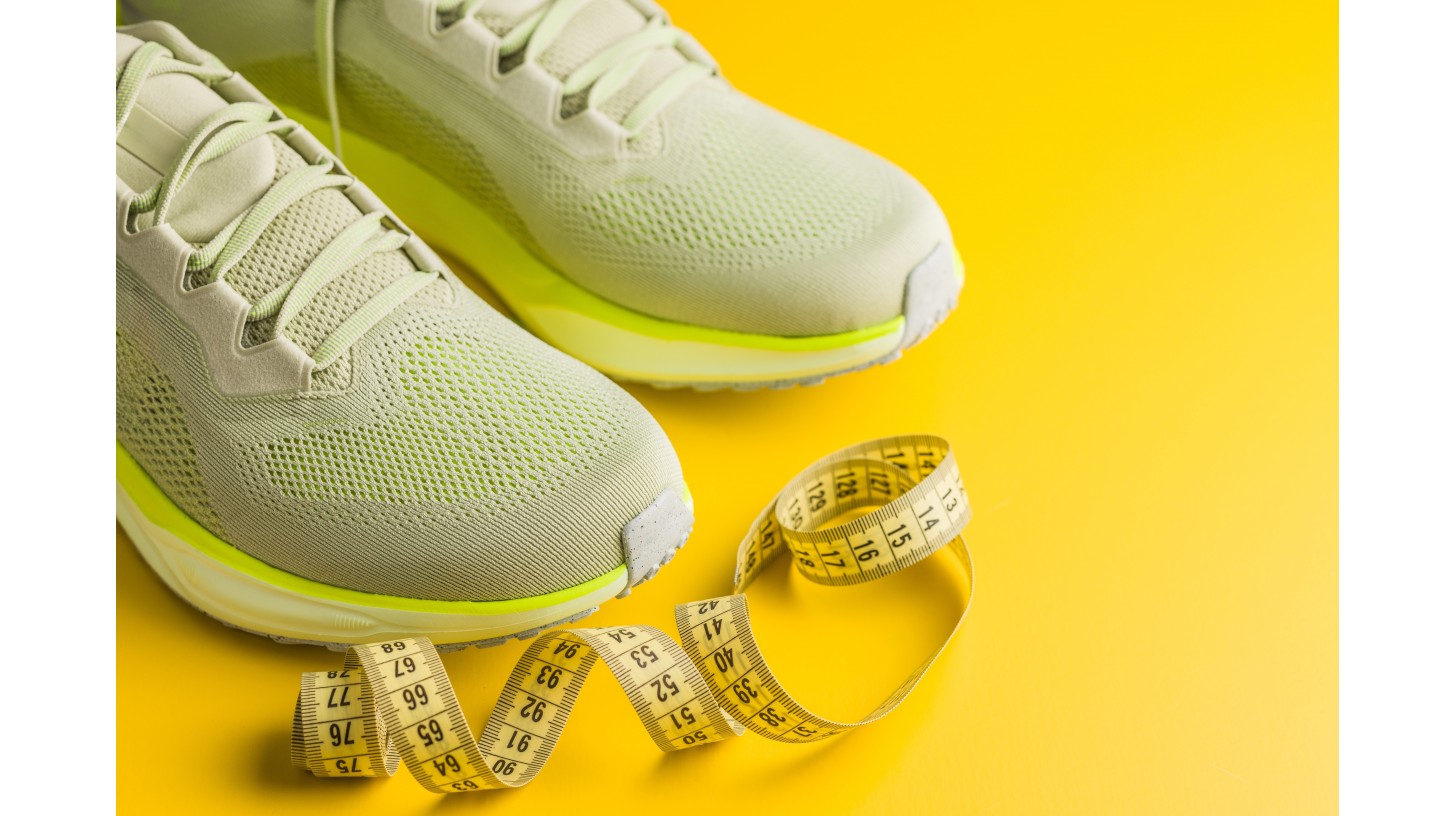
Knowing Your Shoe Size: How to Properly Measure Your Foot
Knowing your exact shoe size is an essential step to ensure foot comfort and avoid many everyday issues. Poorly fitted shoes can cause pain, friction, increased fatigue or even posture problems. Yet many people continue to choose shoes without regularly measuring their feet.
This guide explains why it is important to measure your foot, how to do it properly, and how to use these measurements to choose shoes that are truly suited to your shape and needs, whether shopping in-store or online.
Key Points Summary
Why Measuring Your Foot Is Essential
A Matter of Everyday Comfort
Wearing shoes in the correct size helps prevent sensations of compression, slipping or excessive tension. When the foot is properly supported, walking becomes more natural and fatigue is reduced, even after several hours.
On the other hand, shoes that are too small compress the toes and can cause friction, while shoes that are too large force the foot to compensate, negatively affecting stability and overall comfort.
Preserving Foot Health
An unsuitable shoe size can have long-term consequences. Poorly fitted shoes promote the development of blisters, corns and calluses, and can also affect foot alignment and overall posture.
Measuring your foot regularly helps prevent these issues and encourages the choice of shoes that respect the natural shape of the foot, contributing to better everyday well-being.
Understanding How Shoe Size Changes Over Time
Contrary to popular belief, shoe size is not fixed. It can change for several reasons, including age, weight fluctuations and changes in lifestyle.
In addition, the foot can slightly widen or lengthen over time, which explains why a size worn for many years can become uncomfortable. Measuring your foot periodically therefore allows you to adjust your choices and avoid unsuitable purchases.
When to Measure Your Foot for Optimal Accuracy
The timing of the measurement directly affects the result. Throughout the day, the foot tends to widen slightly due to walking and gravity.
To obtain a realistic measurement, it is recommended to measure your foot at the end of the day, when it is at its largest volume. This precaution helps avoid choosing shoes that are too narrow for daily wear.
How to Measure Your Foot at Home
A Simple and Accessible Method
Measuring your foot at home requires very little equipment and already provides a reliable estimate of your shoe size. Before starting, make sure you are on a flat surface and wearing socks similar to those you usually wear.
Follow these steps:
- place a sheet of paper against a wall on a hard floor,
- place your foot on the paper with your heel firmly against the wall,
- trace the outline of your foot while holding the pencil straight,
- measure the distance between the heel and the longest toe,
- repeat the process for the other foot.
It is important to keep the larger of the two measurements to determine your shoe size.
Measuring Width as Well
Length is not the only criterion to consider. Some feet are wider or narrower than average, which strongly affects comfort.
To measure width, simply measure the widest part of the forefoot on the tracing. This information is particularly useful to avoid pressure points and choose a model suited to your foot shape.
Measuring Your Foot In-Store or With Specialized Tools
In-Store Measurement
In-store measuring devices provide precise information about foot length and width. These measurements help refine size selection and verify how the foot actually fits inside the shoe.
The advisors at Chaussures Le Pacha recommend taking the time to try several sizes and walking for a few minutes to confirm comfort before making a final decision.
Digital Tools and Accuracy
Some technologies now make it possible to analyze foot shape in greater detail. These tools can provide additional information about pressure distribution and overall foot morphology.
They do not replace trying shoes on, but they can help better understand your needs and refine the choice of suitable footwear.
Comparison Table of Measurement Methods
Using Your Measurement to Choose the Right Size
Once the measurement is taken, it is important not to rely solely on a single number. Each shoe model can fit slightly differently depending on its shape and intended use.
It is recommended to leave a small amount of space at the front of the foot to allow the toes to move naturally. This space contributes to comfort, especially during prolonged walking.
Properly Trying On Shoes
In-Store
Trying on shoes is a key step. It is recommended to:
- try shoes at the end of the day,
- wear the socks intended for regular use,
- walk for a few minutes to test real comfort,
- check that no pressure points appear.
A proper fitting confirms that the measured size matches the chosen model.
For Online Purchases
When shopping online, it is essential to refer to the size guides provided and compare the indicated measurements with those of your foot. Reading descriptions about fit and shape can also help anticipate comfort.
If you are hesitating between two sizes, it is often better to choose the one that offers a bit more room to avoid discomfort.
Common Mistakes to Avoid
Some mistakes are common when choosing shoe size. The most frequent include:
- relying solely on an old size without re-measuring your foot,
- measuring only one foot,
- ignoring foot width,
- trying shoes at an unsuitable time of day.
Avoiding these simple errors significantly improves long-term comfort and satisfaction.
Conclusion
Knowing your shoe size by properly measuring your foot is a simple but essential step for foot comfort and health. Accurate measurement helps you choose better-fitting shoes, avoid pain and improve walking quality on a daily basis.
The teams at Chaussures Le Pacha emphasize that taking the time to measure your foot and properly try on shoes is a lasting investment in comfort and well-being, season after season.
Frequently Asked Questions About Foot Measurement
How often should you measure your foot?
It is recommended to measure your foot every one to two years, or when you notice a change in comfort. This habit helps adapt to the natural evolution of the foot.
Why should both feet be measured?
The two feet are not always perfectly identical. Keeping the measurement of the larger foot helps avoid compression and ensures optimal comfort.
Is it normal for shoe size to change over time?
Yes, shoe size can change with age, weight fluctuations or lifestyle habits. Measuring your foot regularly helps adjust footwear choices.
Should extra space be added to the measurement?
Yes, a small amount of space at the front of the foot is recommended to allow the toes to move naturally, especially when walking.
Is foot width as important as length?
Absolutely. A well-fitted shoe must respect both the length and width of the foot to avoid pressure points and ensure lasting comfort.