
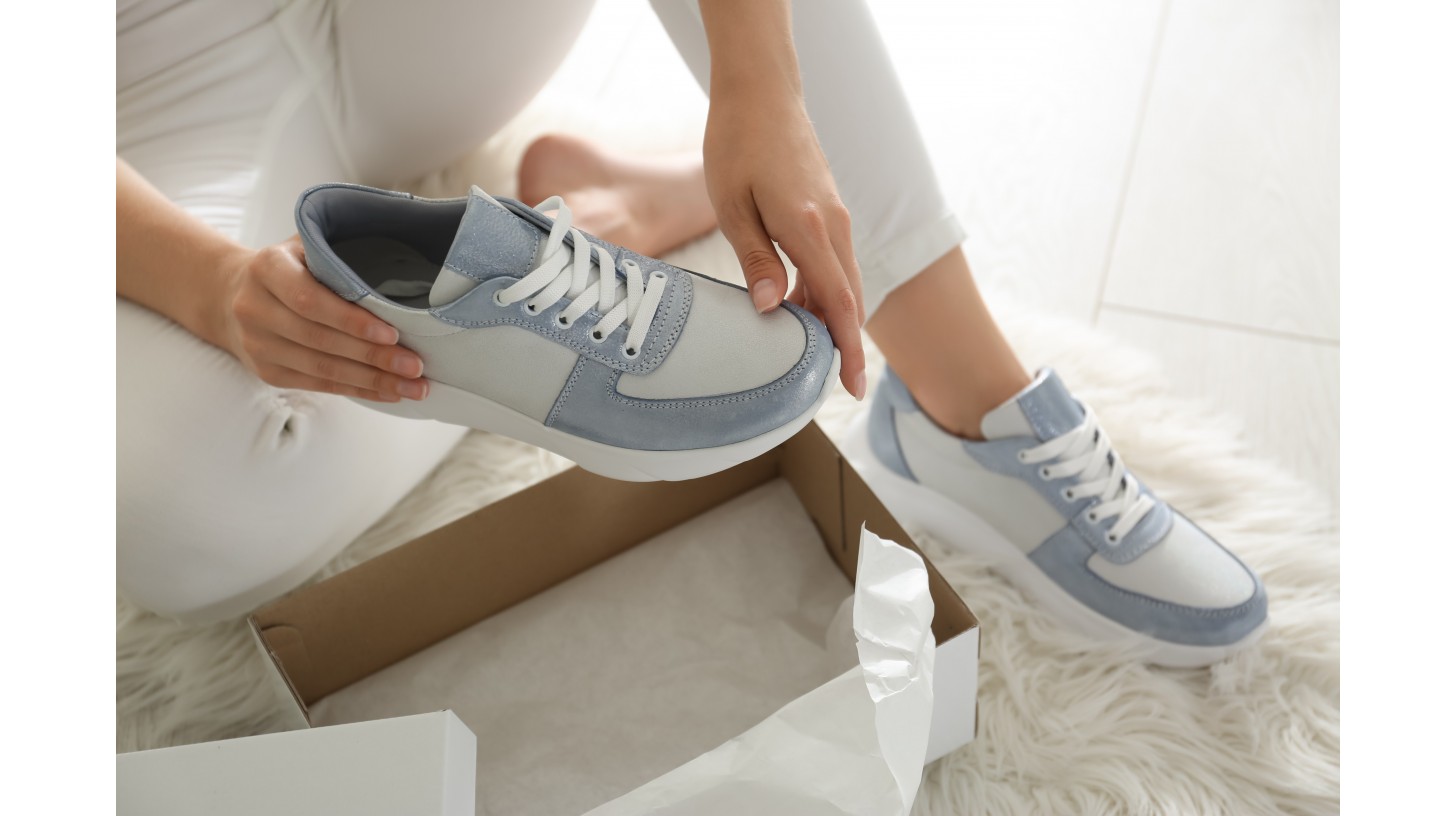
How to Avoid Pain When Wearing New Shoes
Buying a new pair of shoes is often something to look forward to, but it is common for this pleasure to be accompanied by discomfort during the first wears. A feeling of stiffness, friction, pressure points or unusual fatigue can quickly appear and spoil the experience. These pains are not uncommon and do not necessarily mean that the shoes are poor quality.
In most cases, this discomfort is linked to the adjustment period required between the foot and the shoe. Understanding the causes of this pain and adopting good habits can help avoid many issues. This guide offers practical advice to help you wear new shoes more comfortably and protect your feet from the very first days.
Key Points Summary
Why New Shoes Can Cause Pain
New shoes have not yet adapted to the shape of the foot. Materials are stiffer, stitching is still firm and the sole has not been softened through use. This rigidity can cause unusual pressure on sensitive areas such as the toes, heel or arch.
The foot, accustomed to different support points, must adapt to this new structure. When this adjustment happens too quickly or when the shoe is poorly fitted, pain can appear. This discomfort is often the result of a combination of stiffness, lack of support and prolonged wear during the first days.
The Role of Materials in Initial Comfort
The materials used strongly influence how a shoe feels at first. Some materials offer better flexibility from the first wears, while others require more time to soften.
Natural materials tend to gradually mold to the foot, improving comfort over time. More rigid materials, on the other hand, require extra caution during the adjustment period, as they can increase friction if worn for too long too soon.
Comparison Table of Materials and Their Behavior
This table helps explain why some shoes feel comfortable quickly, while others require more patience.
The Importance of Proper Fit at Purchase
A new shoe should never cause immediate pain during fitting. A feeling of support is normal, but marked pressure or friction within the first few minutes is a sign that the model is not suitable.
It is important to check several elements:
- space at the front to allow the toes to move,
- secure heel support without excessive slipping,
- no compression on the sides,
- overall stability while walking.
The advisors at Chaussures Le Pacha remind customers that proper fit at purchase significantly reduces the risk of future pain.
Why the Adjustment Period Is Essential
The adjustment period allows the shoe and the foot to find balance. Materials relax slightly and the foot adjusts its pressure points. This phase is essential to avoid persistent pain.
The length of the adjustment period varies depending on the shoe, materials and foot sensitivity. It can range from a few days to several weeks. It is important to respect this pace and avoid overusing the shoes right away.
How to Wear New Shoes Gradually
Reduce the Duration of Early Wears
During the first days, it is best to wear new shoes for short periods. This limits friction and allows the foot to gradually get used to the new shape.
This approach is especially recommended for structured shoes or those intended for prolonged wear.
Alternate With Other Pairs
Alternating shoes reduces repeated pressure on the same areas of the foot. This alternation helps limit fatigue and encourages a more comfortable adjustment.
It also helps preserve the shape of the shoe by allowing it time to rest between wears.
The Role of Support and Cushioning
Good arch support plays a key role in overall comfort, especially at the beginning. It helps distribute weight more evenly and reduces excessive strain on certain areas.
Cushioning absorbs the impact of walking and limits fatigue. A well-cushioned shoe is particularly appreciated during the first wears, when the foot is not yet accustomed to the new sole.
Simple Steps to Prevent Friction and Blisters
Before even wearing a new pair outdoors, a few simple steps can help prevent irritation:
- wear appropriate socks during initial trials,
- protect sensitive areas with pads,
- ensure the foot stays dry and well ventilated.
These precautions significantly reduce the risk of blisters and make the adjustment period more comfortable.
Common Mistakes to Avoid
Certain habits increase the risk of pain:
- wearing new shoes for an entire day on the first wear,
- ignoring persistent discomfort in the hope it will go away,
- choosing an unsuitable size assuming it will correct itself over time,
- prioritizing appearance over comfort.
Avoiding these mistakes helps protect foot health and prolong enjoyment of your shoes.
Conclusion
Pain associated with new shoes is common, but it is not inevitable. By understanding the causes of discomfort and adopting a gradual, attentive approach, it is possible to significantly reduce the risks.
The teams at Chaussures Le Pacha emphasize that comfort should always guide both the choice and use of a new pair. A well-fitted shoe worn progressively supports the foot naturally and promotes lasting comfort.
Frequently Asked Questions About Pain From New Shoes
Is it normal to feel pain with new shoes?
A slight feeling of firmness can be normal, especially during the first wears. However, sharp or persistent pain is never normal and should be taken seriously.
How long does it take to get used to new shoes?
The adjustment period depends on materials and foot sensitivity. It can last from a few days to several weeks, provided the shoes are worn gradually.
Should you wear new shoes for a full day right away?
No, doing so increases the risk of friction and pain. It is better to start with short periods and gradually increase wear time.
Can insoles really help?
Yes, they can improve support and cushioning, especially if the original sole is firm. They help distribute pressure more evenly and increase comfort.
When should you give up on a new pair of shoes?
If pain persists despite gradual adaptation and simple adjustments, it is best not to insist. An uncomfortable shoe is not suited to your foot.