
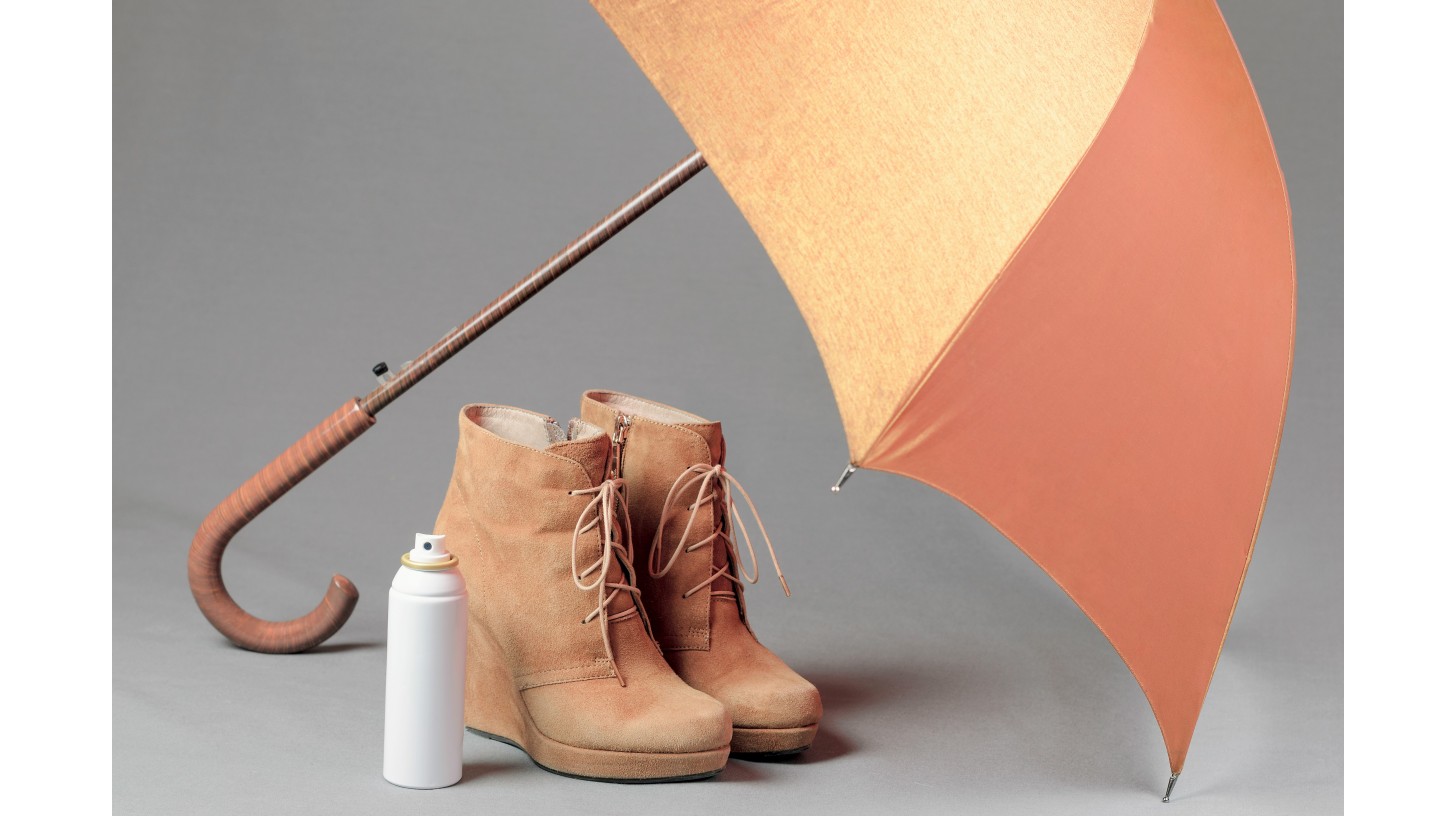
Practical Guide to Waterproofing Your Boots and Shoes
Waterproofing boots and shoes is a maintenance step that is often underestimated, yet it is essential to preserve their appearance, comfort and durability. Moisture, whether from rain, snow or slush, gradually affects materials and accelerates their deterioration when no protective treatment is applied.
This practical guide aims to help you understand why waterproofing is essential, how to choose the appropriate method based on the type of footwear, and how to properly apply a treatment to effectively protect your boots and shoes throughout the seasons.
Key Points Summary
Why Waterproof Your Boots and Shoes
Protection Against Moisture and Stains
Water is one of the main causes of footwear wear. When it penetrates materials, it can leave water marks, alter the color of leather or damage the texture of more delicate surfaces. Over time, repeated exposure leads to a loss of both appearance and comfort.
Waterproofing acts as an invisible protective barrier. It prevents water from seeping in while allowing the material to breathe, which is essential to avoid internal moisture and discomfort during prolonged wear. This protection is particularly useful in urban and winter environments, where footwear is frequently exposed to wet surfaces.
Preserving Structure and Durability
Beyond appearance, moisture weakens the very structure of footwear. Leather, for example, can dry out after repeated wetting and drying, leading to cracking and loss of flexibility. Stitching and flex zones are also more vulnerable.
Waterproofing footwear helps limit these effects and extend its lifespan. The advisors at Chaussures Le Pacha point out that waterproofing is an essential preventive step, just as important as proper cleaning and drying after use.
Risks Associated With the Lack of Waterproofing
Without adequate protection, shoes are quickly exposed to premature wear. Water and moisture encourage the formation of persistent stains, unpleasant odors and increased discomfort.
Over time, unprotected footwear may lose its shape, flexibility and support. These damages are not always immediately visible, but they gradually affect comfort and durability. Regular waterproofing helps prevent these issues and preserve the investment represented by a quality pair of shoes.
Adapting Waterproofing to the Material
Before applying a treatment, it is essential to identify the footwear material. Each material reacts differently to moisture and requires specific protection to avoid deterioration.
The main materials concerned include:
- smooth leather, which requires protection while maintaining its natural flexibility,
- suede and nubuck, which are highly sensitive to water and stains,
- synthetic or textile materials, which are often more resistant but still exposed to moisture.
Choosing a suitable product not only protects the footwear, but also preserves its original appearance and texture.
Main Waterproofing Methods
Waterproofing Sprays
Sprays are widely used due to their ease of application. They are suitable for most materials and provide quick protection without altering the appearance of the footwear. Their effectiveness, however, relies on regular application, especially with frequent exposure to moisture.
They are particularly well suited for routine maintenance and footwear worn daily in variable conditions.
Protective Waxes and Creams
Waxes and creams provide more durable protection, especially for smooth leather. They nourish the material while reinforcing its resistance to water. Their application takes more time, but the result is generally longer lasting.
These products are recommended for footwear regularly worn in humid or cold environments.
Use-Specific Treatments
Some treatments are designed to meet specific uses, such as winter boots or footwear exposed to harsh conditions. They provide enhanced protection while respecting the material’s breathability.
Comparison Table of Waterproofing Methods
Preparing Your Footwear Before Waterproofing
Careful preparation is essential to ensure treatment effectiveness. Applying a product to dirty or damp footwear prevents proper adhesion and reduces performance.
Before any application, it is recommended to gently clean the surface to remove dust, mud or residue. The footwear must then dry completely at room temperature, away from direct heat sources. This step allows the product to act evenly across the entire surface.
How to Waterproof Your Boots and Shoes Step by Step
Product Application
Once the footwear is clean and dry, application can begin. For sprays, it is recommended to spray from a distance of approximately 20 to 30 cm, using even movements to cover the entire surface without excess.
For waxes or creams, application is done using a soft cloth or an appropriate brush. The product should be applied in small amounts, gently massaging the material to promote absorption.
Drying Time and Reinforcing Protection
After application, footwear should dry at room temperature for several hours. It is important to respect this resting time so the product can properly set. In some cases, a second coat may be applied to reinforce protection, especially for footwear frequently exposed to wet conditions.
Maintaining Waterproofing Over Time
Waterproofing is not permanent. It gradually wears off with use, making regular maintenance essential. Frequency depends on usage and weather conditions.
In general, it is recommended to renew the treatment every two to three months, or more frequently if the footwear is often exposed to water. Monitoring the condition of the material helps anticipate the ideal time for reapplication.
Common Mistakes to Avoid
Certain mistakes can compromise waterproofing effectiveness. The most common include:
- applying the product to damp footwear,
- using a product unsuitable for the material,
- neglecting drying time,
- forgetting to renew the treatment.
Avoiding these simple errors helps ensure lasting protection and maximize the benefits of the treatment.
Summary Table: Best Waterproofing Practices
Conclusion
Waterproofing your boots and shoes is a simple but essential step to preserve their appearance, comfort and longevity. By effectively protecting materials against moisture, you reduce premature wear and improve everyday comfort.
The teams at Chaussures Le Pacha emphasize that waterproofing, combined with regular maintenance, helps keep footwear functional and well maintained, even in difficult conditions. Adopting these best practices contributes to more durable and enjoyable use, season after season.
Frequently Asked Questions About Waterproofing Footwear
How often should footwear be waterproofed?
Frequency depends on use and exposure to moisture. In general, renewing the treatment every two to three months helps maintain effective and consistent protection.
Can new shoes be waterproofed?
Yes, it is strongly recommended to do so before first use. This helps protect materials from the outset and prevent stains or water infiltration.
Are sprays suitable for all materials?
Most sprays are versatile, but it is essential to check compatibility with the specific material. Some products are specially formulated for suede, nubuck or smooth leather.
Should the inside of shoes be waterproofed?
No, waterproofing applies only to the exterior. Treating the inside can reduce breathability and cause discomfort during wear.
How can you tell if waterproofing is still effective?
If water beads on the surface without being absorbed, protection is still active. If the material darkens quickly upon contact with water, it is time to renew the treatment.