
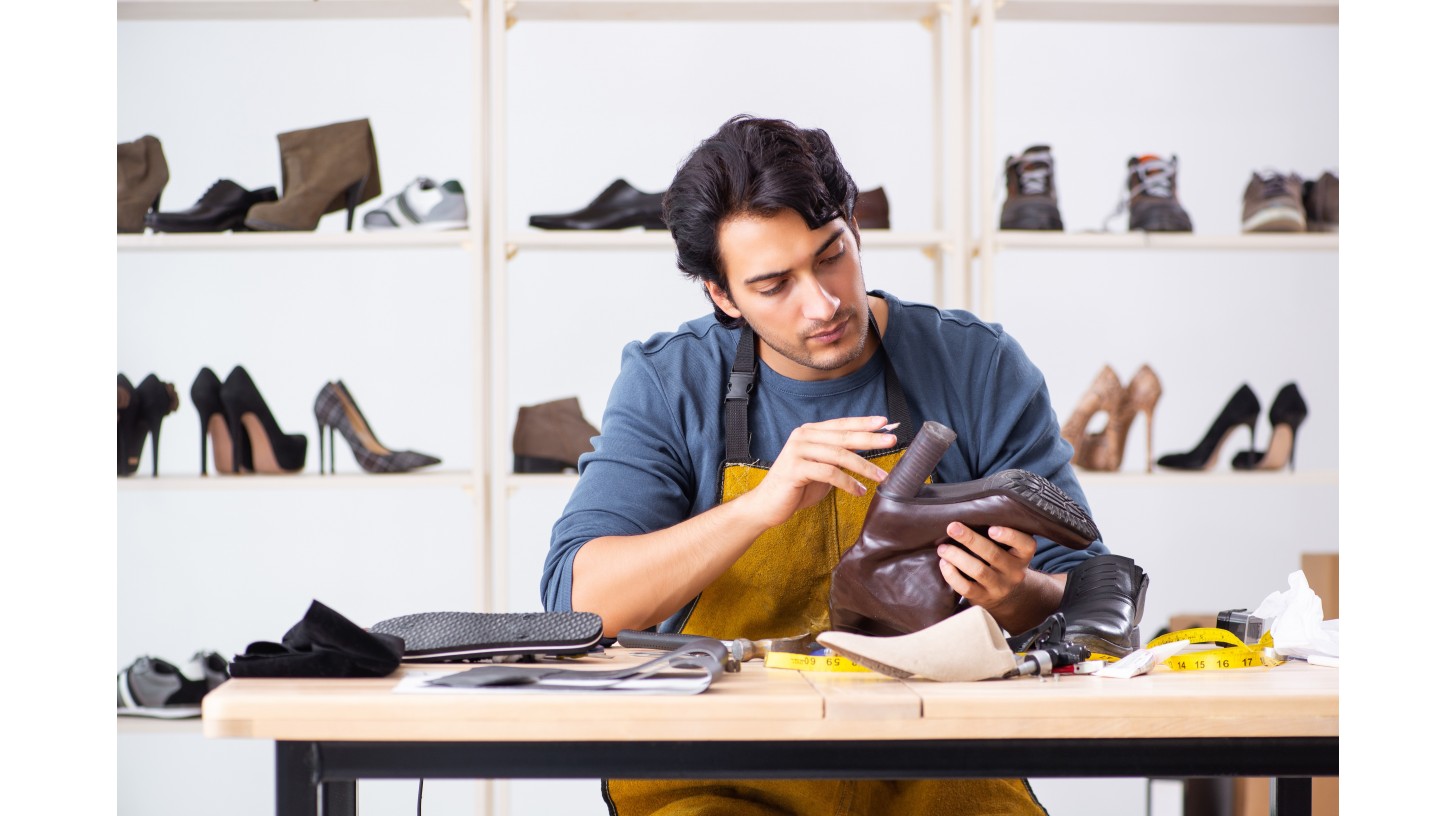
Repair or Replace Your Shoes: How to Make the Right Choice
Introduction
Over time and with regular use, even the best-made shoes inevitably show signs of wear. Thinning soles, marked leather and weakened stitching raise an essential question for anyone attentive to shoe quality: should you repair or replace a worn pair? This decision is not based solely on appearance, but also on functional criteria, comfort and durability. Understanding these elements helps you make a thoughtful choice aligned with your real needs and a more responsible approach to consumption.
Key Points Summary
- The overall condition of the shoe determines whether repair is worthwhile
- Well-constructed shoes are better suited to repair
- Some types of wear are normal and easily fixable
- Repairing helps extend the lifespan of footwear
- Replacement is preferable when support or safety is compromised
- An objective assessment helps avoid impulsive decisions
- Regular maintenance reduces how often shoes need to be replaced
Why Consider Repairing Your Shoes
A Sustainable and Thoughtful Approach
Repairing shoes fits within a more conscious consumption mindset. Each pair kept in use longer reduces waste production and limits the demand for resources required to manufacture new products. Shoes often combine multiple materials, making recycling complex. Extending their lifespan therefore helps reduce their overall environmental impact.
Beyond environmental considerations, repair also slows the pace of wardrobe renewal. This approach prioritizes use value and quality over systematic replacement.
Preserving Shoes Already Adapted to Your Foot
Shoes worn regularly gradually adapt to the shape of the foot. This natural adjustment improves comfort and stability. Repairing a shoe preserves this fit, whereas replacement often requires a new adjustment period.
When the shoe is of good quality, repair becomes an effective way to maintain proven comfort while extending its use.
Signs That Repair Is a Good Option
Common and Repairable Wear
Some forms of deterioration are linked to normal use and do not compromise the overall integrity of the shoe. They appear gradually and can be corrected without affecting comfort.
Common examples include:
- Evenly worn outsoles
- Unbalanced or worn-down heels
- Locally weakened stitching
- Dry or surface-marked leather
These signs indicate functional but not structural wear. Appropriate repair can then give the shoe a second life without limiting its usability.
A Still-Stable Structure
Repair is particularly relevant when the internal structure remains sound. An upper that retains its shape, good foot support and a shoe that does not overly deform are positive indicators.
Conversely, if the shoe loses stability or no longer supports the foot properly, repair is unlikely to provide satisfactory long-term results.
When Replacement Becomes the Better Option
Compromised Comfort and Support
Comfort is a central factor. If the shoe causes persistent pain, instability or poor posture despite looking acceptable, replacement should be considered. A collapsed insole or damaged internal structure can affect balance and walking mechanics.
Continuing to wear a shoe in this condition may lead to ongoing discomfort and negatively impact daily well-being.
Generalized Wear
When several components are worn at the same time, repair becomes less relevant. Accumulated defects often indicate that the shoe has reached the end of its lifecycle.
In these situations, replacement allows you to start fresh and ensures optimal comfort for future use.
Comparing Repair and Replacement: Key Criteria
To decide objectively, it is helpful to compare both options based on concrete criteria, considering use, comfort and durability.
Comparison Table: Repair or Replace
This comparison shows that repair is often advantageous when the shoe retains a solid structural base. Replacement remains appropriate when comfort or safety can no longer be ensured.
The Key Role of Maintenance in Shoe Longevity
Maintaining Shoes to Reduce Frequent Repairs
Regular care slows natural wear. Cleaning shoes after use, conditioning leather and protecting soles help preserve flexibility and strength. These simple steps reduce the frequency of repairs and delay replacement.
Maintenance also promotes more even wear, making future repairs easier.
Alternating Pairs to Preserve Shape
Wearing the same pair daily accelerates deterioration. Rotating between several pairs allows materials to rest and recover their shape. This simple habit improves longevity and long-term comfort.
The advisors at Chaussures Le Pacha emphasize that rotation and maintenance are essential habits for getting the most out of quality footwear.
Repairing Shoes Yourself or Using a Professional
Minor Repairs at Home
Some simple tasks can be done at home, such as conditioning leather, replacing laces or applying preventive protection. These actions improve appearance and slow wear without requiring advanced technical skills.
However, it is important to recognize limits to avoid worsening damage.
Repairs Requiring Specialized Expertise
More complex interventions, such as sole replacement or structural stitching repairs, require precise expertise. A professional is better equipped to ensure a durable result that respects the shoe’s construction.
Consulting a specialist also provides a reliable assessment of whether repair is worthwhile.
Conclusion
Choosing between repairing or replacing shoes requires careful evaluation of their condition, quality and durability potential. Repair is often a wise solution when the structure remains sound and wear is localized. It helps preserve proven comfort while supporting a more responsible approach.
Replacement becomes necessary when support, stability or comfort are compromised. By objectively assessing each situation, it becomes easier to make a choice aligned with real needs. Chaussures Le Pacha encourages this sustainable reflection focused on quality, longevity and everyday comfort.
Frequently Asked Questions About Repairing or Replacing Shoes
How can you tell if a shoe can be repaired?
A shoe is generally repairable when its structure is still solid and wear mainly affects the sole, heel or external elements. If foot support remains good and the upper retains its shape, repair is a relevant option. A professional assessment can help confirm this potential.
What types of damage justify replacement instead?
Replacement is preferable when the shoe no longer supports the foot properly or causes persistent discomfort. A collapsed insole, deformed structure or marked instability are signs that repair will not deliver lasting results. In such cases, continued use may harm everyday comfort.
Can all shoes be repaired?
No, not all shoes are designed for repair. Models made with robust materials and careful construction are better suited. Conversely, lighter or heavily worn shoes often offer limited repair potential.
Does repair help preserve original comfort?
Yes, in most cases, repairing a shoe allows you to retain a fit already adapted to foot shape. This continuity is often more comfortable than replacement, which requires a new adjustment period. This is one of the main advantages of repair.
Can you repair shoes yourself without risk?
Some simple repairs, such as leather care or minor adjustments, can be done at home. However, structural interventions require specific expertise. Poorly executed repairs can worsen damage rather than fix it.
How can you avoid replacing shoes too often?
Regular maintenance and appropriate use are essential for extending shoe lifespan. Cleaning after wear, conditioning materials and rotating pairs help limit premature wear. These simple habits reduce the frequency of both repairs and replacements.