
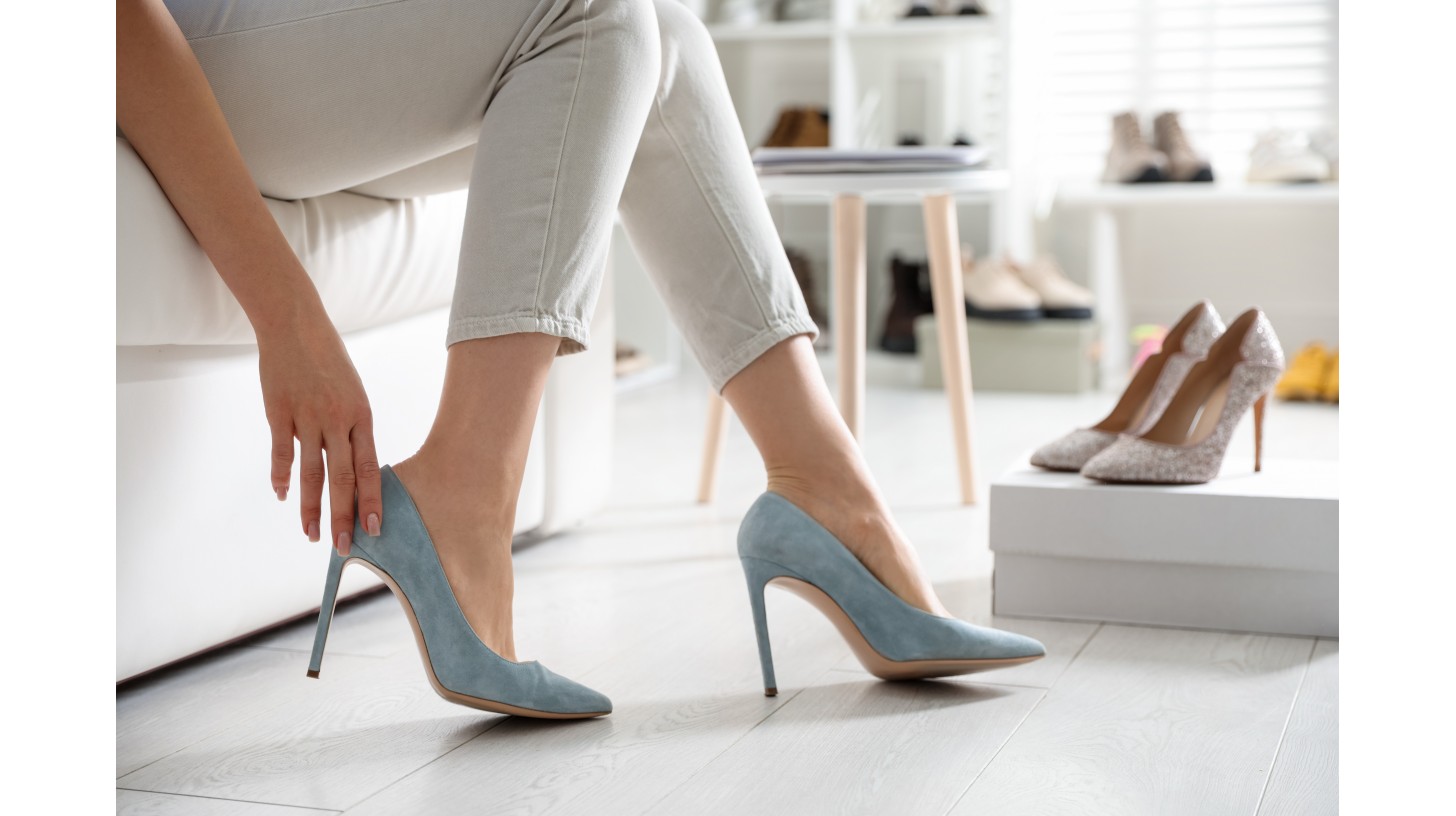
How to Choose Elegant Shoes Without Sacrificing Comfort?
Choosing elegant shoes should never mean giving up comfort, especially in a context like Quebec and Ontario, where days can be long and daily travel is common. Yet many people continue to choose refined styles that eventually cause fatigue, tension, or discomfort after only a few hours. In reality, style and well-being are not mutually exclusive. It is entirely possible to wear elegant shoes while respecting the natural anatomy of the foot, provided you understand the essential factors that truly influence comfort.
This guide helps you find the perfect balance between elegance and comfort, and choose a style suited to your everyday, professional, or occasional use, especially to accompany an evening dress without compromise.
Summary of Key Points
Why Combining Elegance and Comfort Is Essential
A Matter of Balance
Shoes play a central role not only in appearance but also in overall health. Poorly fitted shoes can affect posture, create muscular tension, and increase fatigue by the end of the day. In contrast, a well-designed model supports the foot naturally and allows you to stay on your feet longer without discomfort.
Combining elegance and comfort means choosing shoes that provide proper support while maintaining a refined silhouette. This decision supports both physical well-being and self-confidence.
Impact on Posture and Overall Well-Being
Proper support contributes to better weight distribution throughout the body. When the sole absorbs shock effectively and the arch is properly supported, strain on the knees, hips, and lower back is reduced.
Wearing well-designed shoes helps prevent:
- foot pain
- friction and blisters
- excessive fatigue
- lower back tension
Comfort therefore becomes a key factor in daily quality of life.
Essential Features of an Elegant and Comfortable Shoe
Materials
Material quality directly affects how a shoe feels and how long it lasts. Soft leather, breathable technical textiles, and soles incorporating cushioning technologies are especially valued. These materials adapt to the shape of the foot while offering flexibility and durability.
A slip-resistant outsole also enhances safety, particularly on smooth or wet surfaces. Finding the right balance between durability and flexibility is essential for lasting comfort.
Design and Ergonomics
Design should never compromise ergonomics. An elegant and comfortable shoe features an appropriate arch curve, stable structure, and sufficient heel support. Its shape should follow the natural movement of the foot without restricting it.
A well-engineered design ensures a smooth transition from heel to forefoot while walking, which reduces localized pressure and improves overall comfort.
Comparison Table of Comfort Technologies
This table highlights the importance of choosing technology that matches how frequently you plan to wear your shoes.
Practical Guide to Making the Right Choice
Selecting an elegant and comfortable shoe requires careful attention to detail. It is recommended to measure your feet accurately, try shoes on at the end of the day, and walk around for several minutes before making a decision.
Here are key elements to verify during fitting:
- Heel height should match your intended use.
- The foot should feel secure without compression.
- The outsole should provide good traction.
- The forefoot should have slight room to move naturally.
- The shoe should not create immediate pressure points.
These simple checks help prevent unpleasant surprises after purchase.
The Importance of Fitting and Context
Comfort also depends on your environment. A shoe worn at the office, on public transit, or during extended events should provide greater support than a model intended for occasional outings.
Taking the time to try multiple sizes and test stability while walking helps confirm true comfort. The teams at Chaussures Le Pacha recommend observing your natural posture and ensuring the shoe follows your movement without forcing your weight distribution.
Conclusion
Choosing elegant shoes without sacrificing comfort is entirely possible when you focus on the right criteria. Materials, ergonomic design, stability, and intended use all play an essential role in achieving the right balance between style and well-being.
A well-designed model improves posture, reduces fatigue, and allows you to fully enjoy each day without compromising aesthetics. By carefully evaluating these elements, you can invest in shoes that combine refinement, lasting comfort, and everyday performance.
Frequently Asked Questions
How can I tell if an elegant shoe is truly comfortable?
It is important to test it while walking, not just while standing still. Walk for a few minutes, change direction, and make sure no excessive pressure is felt at the forefoot, heel, or sides. A comfortable shoe should follow your step naturally without creating tension.
Can elegant shoes be worn all day without discomfort?
Yes, provided the heel height is moderate, the sole offers proper cushioning, and the foot is adequately supported. Comfort depends more on overall construction than on style alone.
Which materials provide the best balance between comfort and elegance?
Soft leather, breathable textiles, and soles with effective cushioning are generally recommended. These materials ensure durability, flexibility, and better adaptation to the shape of the foot.
How can I avoid pain after standing for several hours?
Choose shoes that offer good arch support, a stable sole, and a precise fit. It is also advisable to avoid very high heels for extended wear.
Is it better to prioritize comfort or style?
The ideal approach is to find a balance between the two. Today, collections such as those from Rieker demonstrate that elegance and comfort technologies can coexist without major compromise on either aspect.