
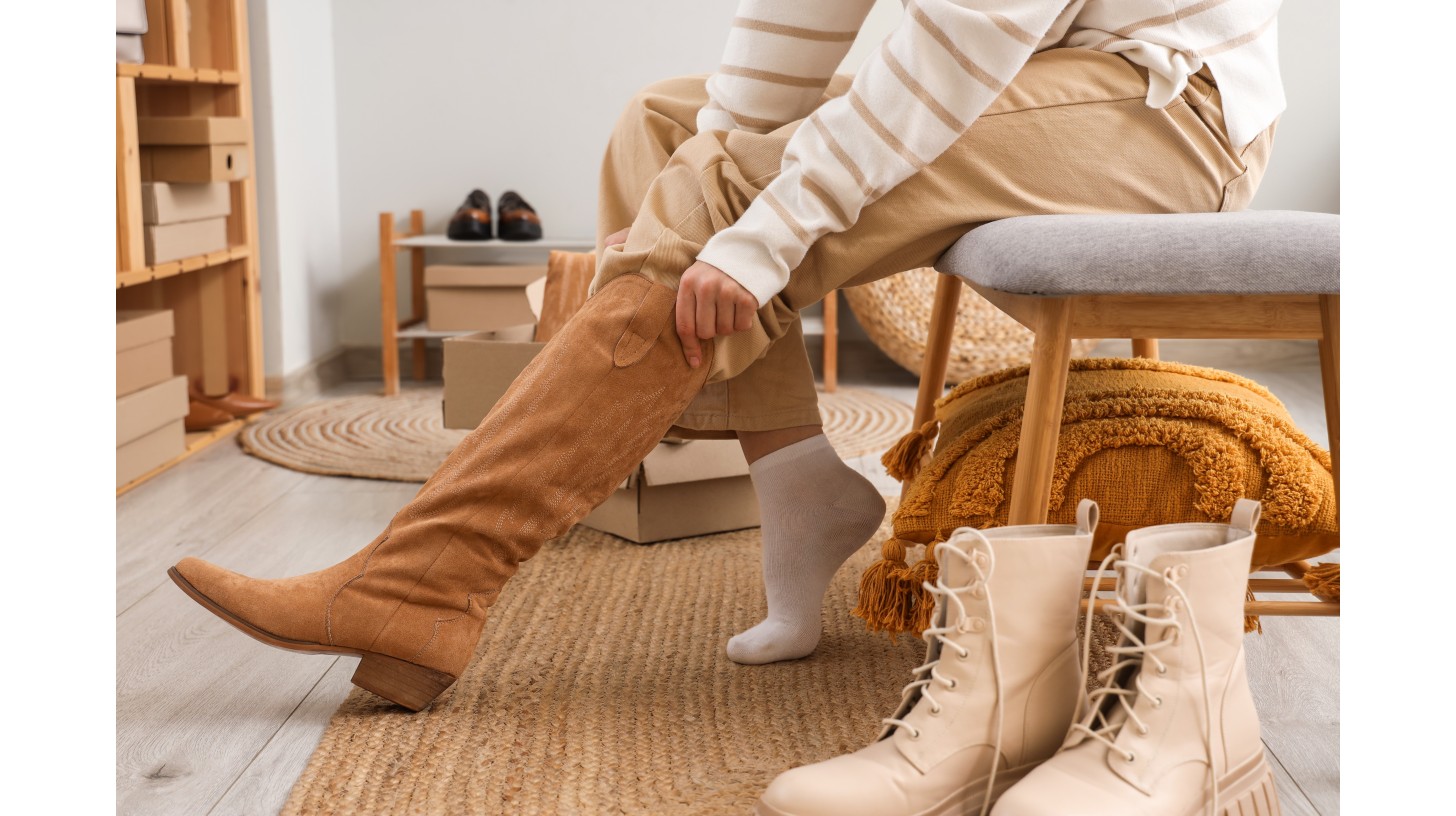
When Should You Alternate Between Two Pairs of Shoes?
Alternating between two pairs of shoes is a simple yet highly effective strategy to preserve the structure, comfort, and durability of your footwear. Many people wear the same pair day after day without realizing that this habit accelerates wear of the sole and gradually reduces cushioning capacity. After a full day of use, the shoes need time to rest so that the internal materials can dry, stabilize, and return to their original shape.
When you consistently use only one pair, compression becomes permanent. The internal components, whether foam or composite materials, do not have the opportunity to recover. This is why rotating your shoes is one of the best long-term decisions you can make to protect your feet and maintain proper support.
Key Takeaways
- Alternating between two pairs of shoes extends their lifespan and improves comfort.
- Each pair should be allowed to dry completely in order to preserve cushioning and stability.
- Regular rotation reduces premature wear of the sole and internal materials.
- Two pairs are generally enough to establish an effective routine.
- This strategy is particularly beneficial for running and intensive training.
- Rotating your shoes helps limit moisture, odours, and internal breakdown.
- Monitoring signs of wear allows you to adjust your rotation at the right time.
- Proper organization protects your feet while optimizing performance and durability.
The Main Reasons to Alternate Your Shoes Daily
There are many reasons to rotate your shoes, affecting both health and overall performance. Your feet can produce a significant amount of moisture throughout the day, especially if you are active, spend long hours standing, or run regularly. This moisture naturally builds up inside the shoes and soaks into the internal materials, particularly the insoles and linings. Without an adequate rest period, this moisture remains trapped, which encourages odours, weakens internal components, and accelerates the gradual breakdown of the structure.
Alternating your shoes helps limit this issue by giving each pair the time it needs to dry completely and recover. Allowing materials to breathe between uses reduces the risk of discomfort, skin irritation, and cushioning loss. This habit also helps maintain better foot stability, as the internal components regain their original shape more effectively. In addition, rotation distributes pressure points more evenly, which can help prevent certain aches related to intensive training, long workdays, or repetitive activities. Over time, this simple alternation improves not only daily comfort but also the durability and performance of your shoes.
Shoe Rotation and Performance: Alternate to Run Better
For runners, rotation is often recommended by specialists in biomechanics and sports performance. Training shoes absorb thousands of impacts during intense sessions, especially when running on hard surfaces such as asphalt or concrete. With each stride, the internal materials, particularly cushioning foams and stabilization structures, absorb significant pressure to protect the feet and joints. When you run regularly, these components compress heavily and need time to regain their original shape. Without alternation, cushioning gradually loses effectiveness, stability decreases, and the shoe provides less support, which can affect the quality of your workouts.
Well-known brands such as Skechers and New Balance offer training shoe models designed to provide effective cushioning, solid stability, and durability suited to regular running, making it easier to establish an efficient rotation between two pairs.
Why Two Pairs of Shoes Are Enough for Effective Rotation
Two pairs represent a strategic minimum for establishing a sustainable and effective routine. Having two pairs allows you to organize a true rotation without unnecessary complexity. One pair can be dedicated to running, especially if you train regularly, while the other can be used for everyday wear, work, or moderate exercise. This organization allows you to adapt usage according to intensity, surface, and type of activity. By alternating in a structured way, each pair benefits from sufficient recovery time, helping preserve cushioning and stability.
Owning shoes suited to different contexts also improves the overall durability of your footwear. Some people choose additional pairs for specific uses, such as a training pair for the gym, a lighter pair for outdoor runs, or a more robust shoe for demanding conditions. This diversification better meets the needs of the foot depending on the activity performed. It also helps distribute mechanical stress more evenly, avoid constant overload on a single pair, and maintain a more consistent level of comfort over time.
How Rotating Shoes Reduces Premature Wear
Sole wear is one of the first signs of excessive and repeated use. When you wear the same pair day after day, the outsole flattens more quickly and the internal cushioning gradually loses its ability to absorb shock. The materials remain compressed without adequate recovery time, which accelerates deterioration. Over time, this can lead to reduced stability, decreased comfort, and increased foot fatigue. Regular rotation slows this process by giving materials time to recover, relax, and return to their original form between uses.
Each shoe is designed to perform a specific function, including absorbing shock, stabilizing the foot, and supporting natural movement while walking or running. These functions depend on the integrity of the internal components and the materials’ ability to maintain elasticity. Without alternation, these properties weaken more quickly, reducing overall performance. Rotating between multiple pairs can be an effective strategy, especially for active individuals who want to extend the life of their footwear, maintain proper cushioning, and preserve quality support over the long term.
Alternating Shoes to Optimize Post-Workout Recovery
Regular running or training places repeated and sustained stress on the foot as well as on the shoe’s overall structure. With every stride, impacts are transferred to the soles and internal components, which must absorb and distribute energy to protect the joints. During intensive training sessions, pressure on the shoe is particularly high, especially on hard surfaces or during prolonged efforts. Without rotation, internal materials remain compressed and do not have sufficient time to fully recover. Continuous compression can reduce cushioning effectiveness and gradually affect stability.
Alternating between two pairs allows you to better manage this recovery and preserve material integrity. After a long run, allowing the pair to rest promotes drying and internal relaxation, helping maintain elasticity. This strategy supports continued stability and comfort during upcoming sessions. It also improves overall underfoot feel, reduces accumulated muscle fatigue, and allows you to approach each workout with more consistent and balanced support.
Choosing the Right Shoes and Organizing Them by Activity
Not all shoes are designed for the same uses, and it is important to understand how often your walking shoes should be replaced before establishing an effective rotation system. A shoe used for road running will not have the same features as one designed for walking or workouts. Models built for asphalt running typically prioritize cushioning and shock absorption, while those intended for indoor training offer greater lateral stability and better ground contact. Materials, sole structure, and level of support vary depending on the intended activity. That is why it is useful to consider the primary function of each model to optimize both performance and durability.
Implementing a Shoe Rotation to Extend Lifespan
Rotation is not limited to athletes or performance enthusiasts. Even for everyday use, varying your footwear helps maintain quality and extend its lifespan. When you consistently wear the same pair for work, commuting, or daily activities, the materials are subjected to continuous stress without recovery time. Allowing each pair to recover between uses helps them better withstand repeated stress such as prolonged walking, posture changes, and surface variations.
Avoiding Common Mistakes
Certain habits can limit the benefits of rotation and reduce its effectiveness. For example, wearing a pair that is still damp compromises internal recovery. Moisture prevents foams and components from fully regaining their shape, reducing cushioning and promoting odours. It is therefore preferable to wait until the shoes have completely air-dried before wearing them again, especially after a rainy day or an intense training session. Placing shoes near a direct heat source can also weaken materials and alter their structure.
Other habits can undermine the positive effects of rotation. Common mistakes include:
- Using the same pair for all activities regardless of intensity.
- Neglecting regular cleaning.
- Storing shoes in an unventilated space.
- Continuing to wear a pair with a heavily worn sole.
Ignoring signs of wear can reduce the effectiveness of your strategy. Regularly checking the condition of the soles, the quality of cushioning, and overall stability allows you to adjust your rotation at the right time. A collapsed sole, visible imbalance, or loss of support are important indicators. Staying attentive helps preserve support function, maintain daily comfort, and avoid premature deterioration of your footwear.
Conclusion
Knowing when and how to alternate between two pairs of shoes is based on a simple but fundamental principle: giving materials the time they need to recover in order to preserve comfort, stability, and durability. Too often, people wear the same pair day after day without considering the cumulative impact of this habit. Yet each use compresses the padding, stresses the internal structure, and exposes materials to moisture. Without a rest period, these elements deteriorate more quickly and gradually lose effectiveness.
Whether you run, train at the gym, or wear your shoes daily for work and commuting, rotation is a smart preventive strategy. It reduces premature sole wear, maintains better shock absorption, and preserves consistent underfoot stability. By allowing each pair to dry completely and regain its natural shape, you protect not only your shoes but also your overall comfort.
Two well-chosen pairs suited to your activities are generally enough to establish an effective routine. The key is to monitor signs of wear, adjust rotation according to usage intensity, and prioritize natural air-drying at room temperature. By adopting this approach, you maximize the lifespan of your footwear, protect your feet, and ensure consistent comfort day after day.